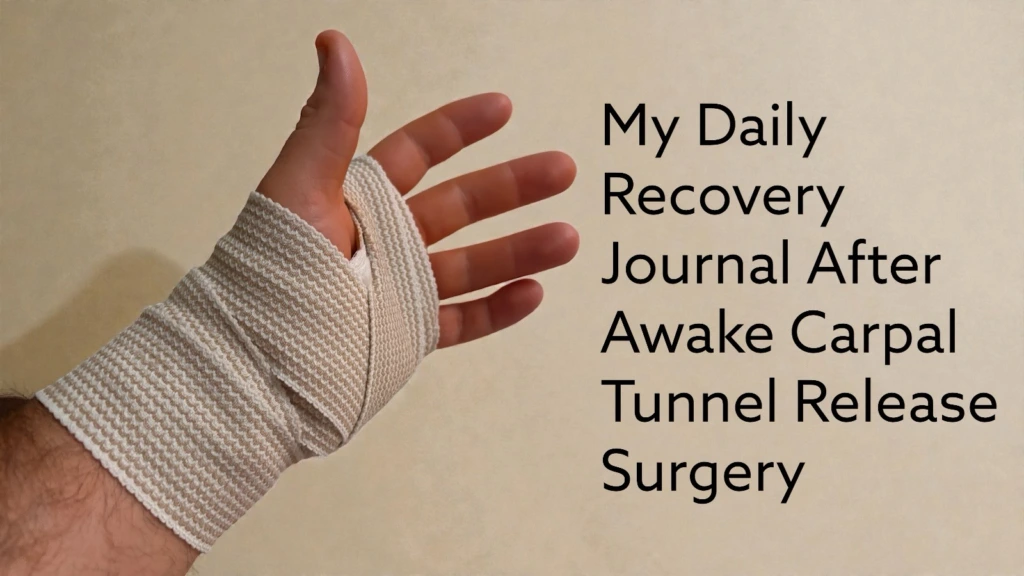
If you’ve ever been told your MRI looks “normal”… but you’re still dealing with real neck, shoulder, or arm pain…
I’ve been there.

It’s frustrating in a way that’s hard to explain unless you’ve lived it.
Because you start questioning everything.
Is it in my head?
Did they miss something?
Why does it hurt this bad if nothing is “wrong”?
I went through scans, appointments, even surgery… and still had pain that didn’t match what the imaging showed.
That’s when I learned something most people don’t get told:
Not all pain shows up on an MRI.
What an MRI Actually Looks For (And What It Misses)
An MRI is great at showing:
- Herniated discs
- Bone issues
- Structural damage
- Inflammation in certain tissues
But here’s the problem:
It’s a static image.
It shows your body in one position… not how it behaves when you move, carry weight, or change posture.
And for a lot of people, especially with neck and shoulder pain, that’s where the real issue is.

The Missing Piece: Movement and Position
What I eventually realized is this:
My pain wasn’t just structural.
It was positional.
Meaning:
- Certain positions made it worse instantly
- Other positions relieved it just as fast
That’s not something an MRI can capture.


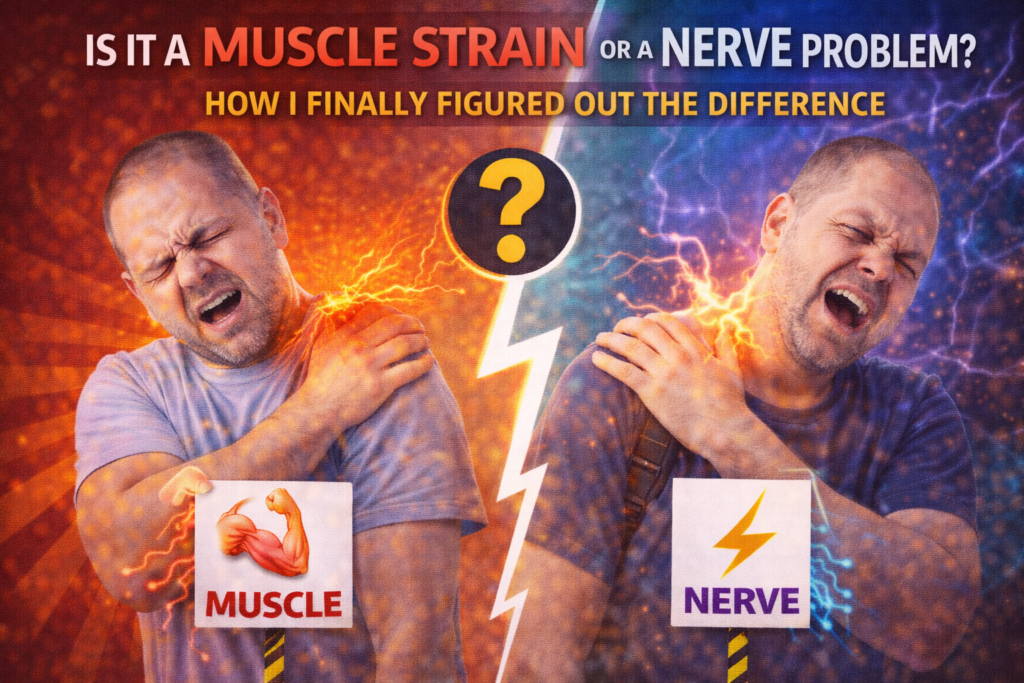
The Pattern That Changed Everything for Me
I started noticing things like:
- Letting my shoulder relax made the pain worse
- Pulling my shoulder slightly back and up helped
- Carrying weight on my shoulder made it flare up fast
That pattern told me something important:
This wasn’t random pain.
It had a cause based on how my body was positioned.

I actually broke this down more here:
https://spinerecover.com/why-my-neck-and-shoulder-pain-gets-worse-when-i-relax-my-arm/
And once I saw that pattern clearly, everything started to make more sense.
What This Usually Points To
When pain behaves like this, it often lines up with something like:
Thoracic Outlet Syndrome
This is when nerves (or sometimes blood vessels) get compressed in a small space between your neck and shoulder.
And here’s why it matters:
- That space changes depending on your posture
- It can tighten or open based on how you hold your shoulder
- Symptoms can come and go depending on position
That’s why it doesn’t always show up clearly on imaging.

Why You Can Have Real Pain With “Normal” Results
This is one of the biggest disconnects people run into.
You can have:
- Nerve compression
- Muscle tension affecting nerves
- Positional pressure
And still get told everything looks fine.
Because the issue isn’t always damage.
It’s pressure.
And pressure changes with movement.
Medical sources even confirm this kind of condition can cause pain, tingling, and weakness in the shoulder and arm due to nerve compression in that narrow space.
Why Doctors Miss This So Often
I don’t say this to bash anyone, but this is just reality.
Most evaluations focus on:
- Structural damage
- Clear injuries
- What shows up on scans
But this type of issue:
- Changes with position
- Can look normal at rest
- Often mimics other conditions
Even medical literature admits this condition is complex and often difficult to diagnose because symptoms overlap with other issues.
The Backpack Clue That Made It Obvious
One of the biggest things that exposed this for me was carrying anything on my shoulder.
A simple strap would:
- Pull my shoulder down
- Increase pressure near my collarbone
- Trigger pain quickly
That’s not random.
That’s mechanical compression.
In fact, carrying heavy backpacks or shoulder bags is known to compress that exact area and irritate the nerves.

I actually wrote more about that here:
https://spinerecover.com/shoulder-pain-that-gets-worse-when-carrying-a-backpack-what-i-finally-figured-out-after-years/
Why Pain Can Travel Down Your Arm
This part confused me for years.
Why does neck or shoulder pain go into your arm?
Because the nerves involved don’t just stay in one spot.
They run from your neck all the way down into your arm and hand.
So when they get irritated:
- Pain can travel
- Tingling can show up
- Weakness can happen
That’s why symptoms don’t always stay in one place.


What Finally Helped Me Understand It
The biggest shift wasn’t a treatment.
It was understanding the pattern.
Once I saw that:
- Position changed my pain
- Certain movements triggered it
- Certain positions relieved it
I stopped chasing random fixes.
What I Started Doing Differently
Instead of trying everything, I focused on a few key things.
Paying attention to shoulder position
I stopped letting my shoulder collapse forward and down.
Even small awareness made a difference.

This ties into what I shared here:
https://spinerecover.com/fix-your-posture-fast-without-thinking-about-it/
Fixing how I sit and work
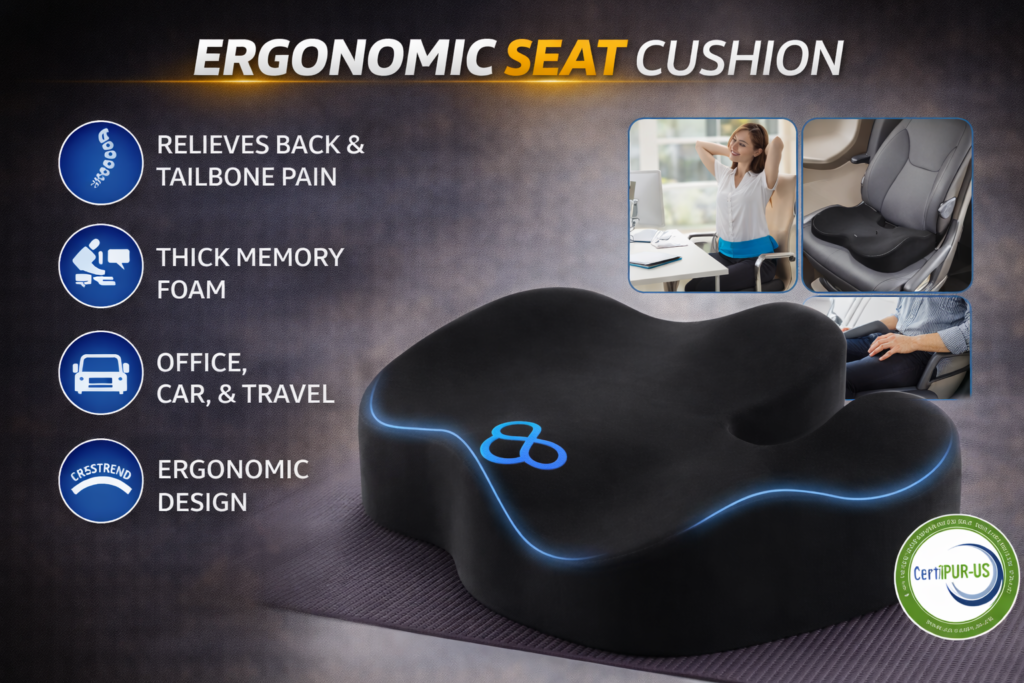
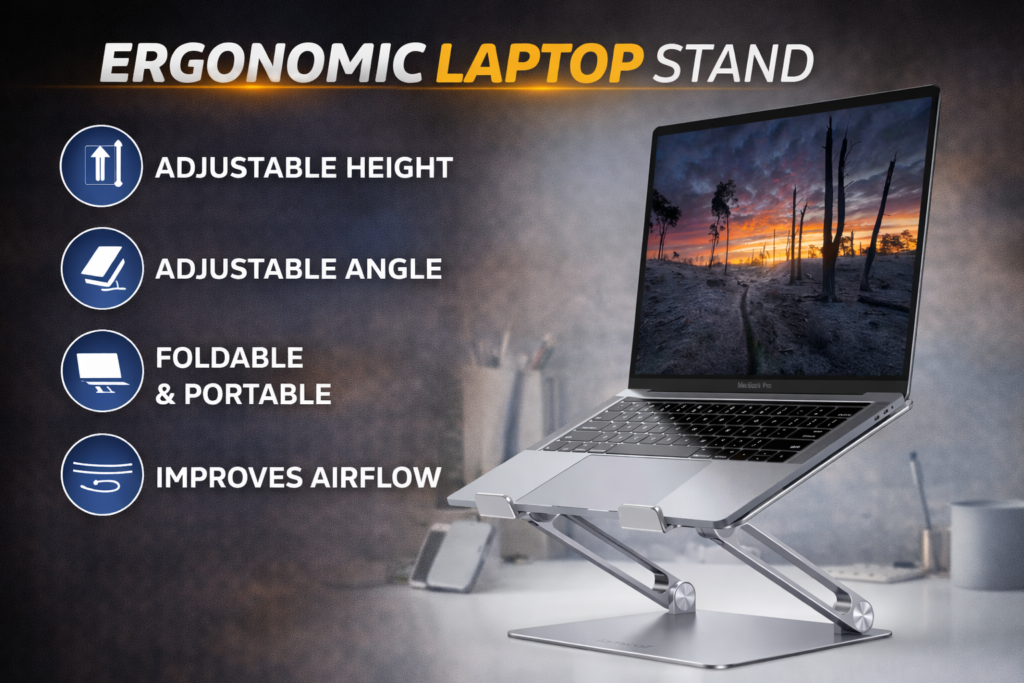
Your daily setup matters more than you think.
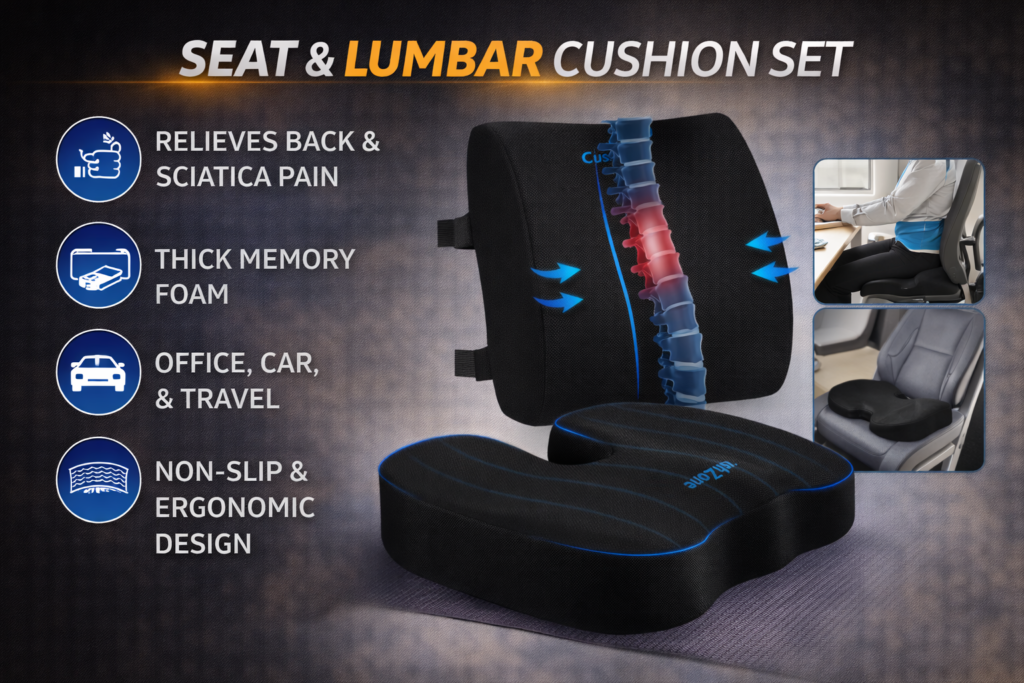
Small changes helped reduce constant irritation, like what I talked about in
https://spinerecover.com/the-simple-seat-upgrade-that-fixes-back-pain-while-sitting/
Improving sleep positioning
If you’re in a bad position for 6–8 hours, it adds up.
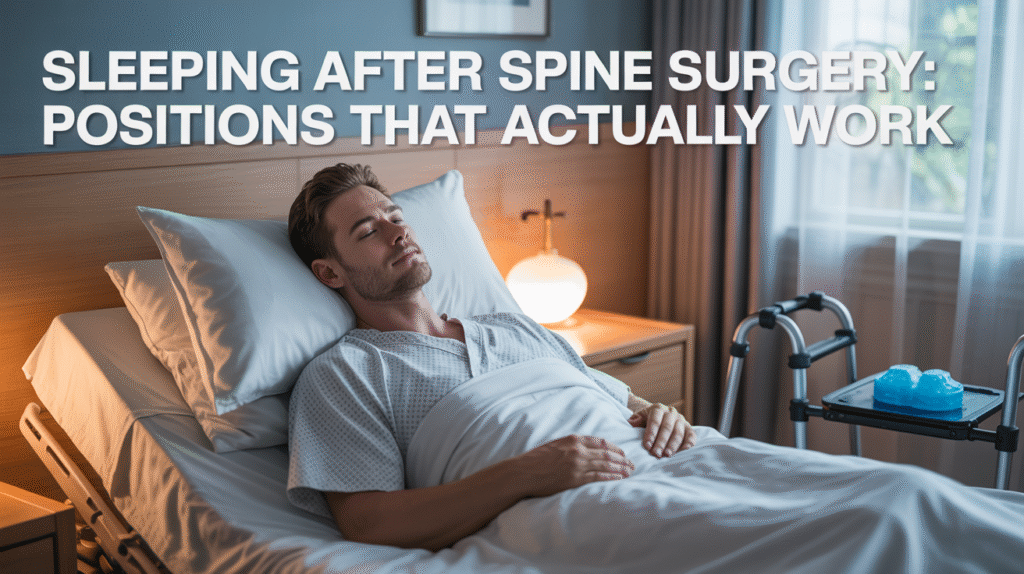
I had to fix this too:
https://spinerecover.com/sleeping-after-spine-surgery-positions-that-actually-work/
Supporting my neck better

This made a noticeable difference over time:
https://spinerecover.com/finally-wake-up-without-neck-pain/
What Didn’t Work (At Least For Me)
- Just resting more
- Ignoring the triggers
- Random stretching routines
- Only focusing on muscle pain
Those things didn’t fix the root issue.
What I Wish I Knew Sooner
If your MRI is “normal” but you still have pain:
That doesn’t mean nothing is wrong.
It usually means:
The problem isn’t structural damage.
It’s how your body is functioning under real conditions.
If This Sounds Like You
If your pain:
- Changes based on position
- Gets worse with certain movements or loads
- Doesn’t match your scan results
Then you’re not alone.
And you’re not crazy.
You’re just dealing with something that isn’t always visible on imaging.
Where to Start
Start simple:
- Pay attention to what positions make it worse
- Notice what positions relieve it
- Adjust your daily habits to support your body
That alone can start shifting things over time.
Author
Dax – Founder of SpineRecover
About the Author
I’ve lived through years of spine issues, including L5-S1 fusion surgery, and ongoing nerve-related pain that didn’t always follow what doctors expected.
Everything I share is based on real experience, trial and error, and figuring out what actually helps in everyday life. SpineRecover is where I document what works so others don’t have to go through years of confusion like I did.