This is one of the weirdest things I dealt with… and honestly one of the biggest clues I ignored for way too long.
My neck and shoulder pain would get worse when I relaxed.

But if I lifted my shoulder slightly… or pulled it back and up…
It would actually feel better.
That makes zero sense if you think it’s just muscle pain.
But once I understood what was really going on, it finally clicked.
The Exact Pattern I Noticed
Over time, this became very consistent:
- Let my arm hang → pain gets worse
- Relax my shoulder → pain increases
- Lift shoulder slightly → relief
- Pull shoulder back and up → even better
That pattern is not random.
That’s your body telling you something very specific.

What This Usually Points To
This type of response strongly lines up with:
Thoracic Outlet Syndrome
This is when the nerves running from your neck into your arm get compressed in a tight space near your collarbone and shoulder.
And here’s the key:
That compression changes based on position.


Why Lifting Your Shoulder Actually Helps
This is the part nobody explains clearly.
When your shoulder drops:
- It pulls down on the nerve
- It narrows the space under your collarbone
- It increases pressure on the nerve
When you lift your shoulder:
- You reduce that downward pull
- You open the space slightly
- You take pressure off the nerve
That’s why it feels better.
This kind of condition is actually known to be dynamic, meaning compression can change depending on how your arm and shoulder are positioned .
Why This Confuses So Many People
Because it doesn’t behave like normal pain.
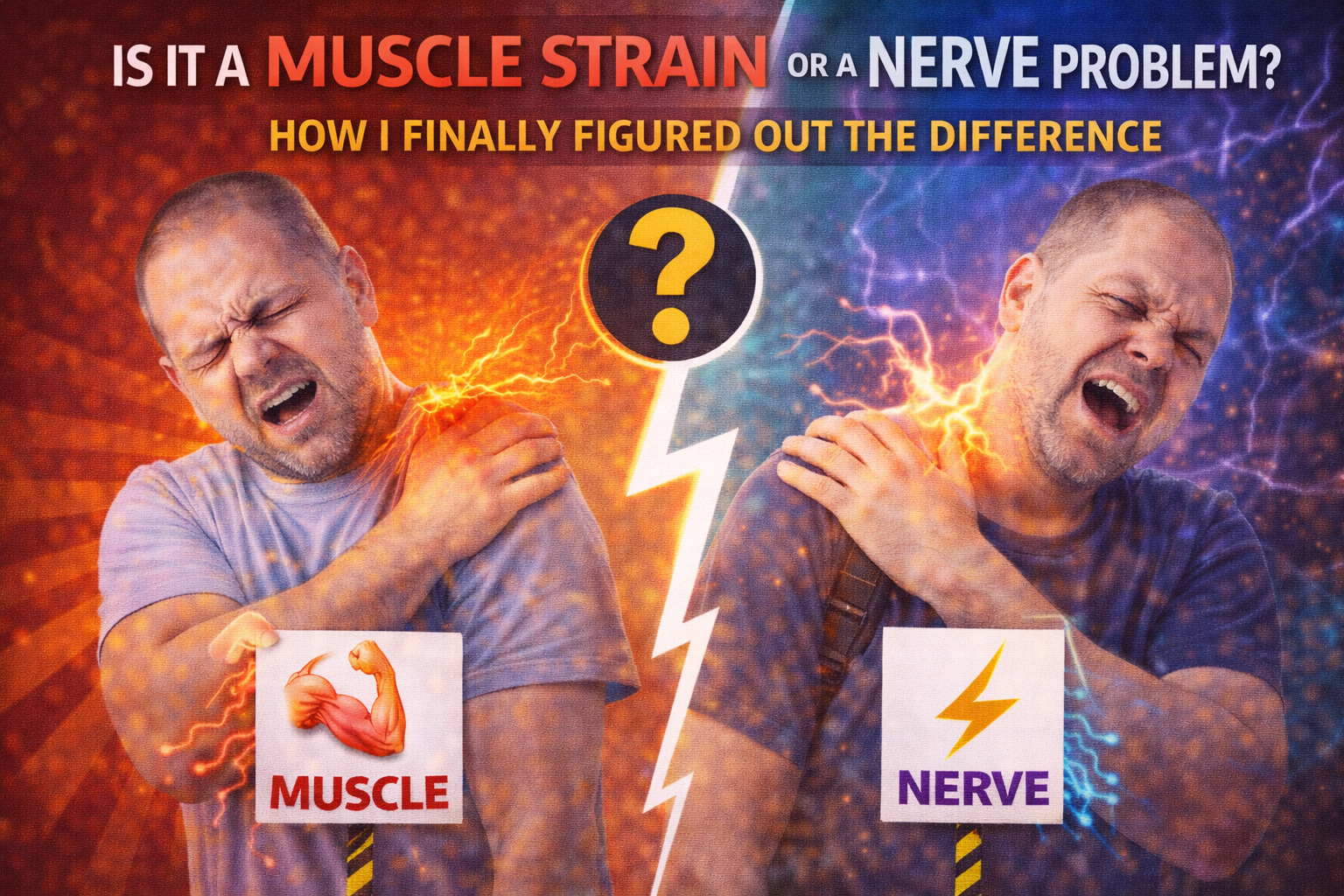
With muscle pain:
- Relaxing usually helps
- Movement usually hurts
But with nerve compression:
- Certain positions relieve it
- Certain positions make it worse instantly
That’s exactly what I was dealing with.


Why This Doesn’t Show on MRI
This part drove me crazy for a long time.
I had imaging done. Everything looked “fine.”
But the pain was still there.
Here’s why:
- MRI is taken in one position
- Your body isn’t under load
- Your shoulder isn’t being pulled down
- The compression isn’t happening at that moment
Even medical research shows that standard imaging often misses this because it doesn’t include the positions that actually trigger symptoms .
In fact, studies show MRI can miss cases of this condition entirely, with false negatives happening in a noticeable percentage of patients .

The Big Clue I Missed for Years
Looking back, this was the giveaway:
If changing your shoulder position instantly changes your pain… it’s not random.
It’s mechanical.
And I talked more about that pattern here:
👉 https://spinerecover.com/why-my-neck-and-shoulder-pain-gets-worse-when-i-relax-my-arm/
How This Connects to Carrying Things
This also explains why things like backpacks or straps make it worse.
When you carry weight on your shoulder:
- It pulls your shoulder down
- It increases nerve tension
- It compresses that same area
I broke that down more here:
👉 https://spinerecover.com/shoulder-pain-that-gets-worse-when-carrying-a-backpack-what-i-finally-figured-out-after-years/
Why the Pain Travels Down Your Arm
This part confused me for years.
The pain doesn’t just stay in your neck or shoulder.
It can:
- Shoot down your arm
- Cause tingling
- Feel like burning or weakness
That’s because the nerves being affected (brachial plexus) run all the way into your arm.
When they get compressed, symptoms follow that path.
That’s actually one of the hallmark signs of this condition .
What I Was Doing That Made It Worse
Without realizing it, I was:
- Letting my shoulder hang all the time
- Sitting with rounded shoulders
- Carrying weight on one side
- Ignoring the positions that actually helped
All of that kept the nerve irritated daily.
What Actually Started Helping
This didn’t fix overnight, but once I understood the pattern, things started improving.
Keeping my shoulder from collapsing
Not forcing posture… just avoiding that forward/down position.
This ties into what I shared here:
👉 https://spinerecover.com/fix-your-posture-fast-without-thinking-about-it/
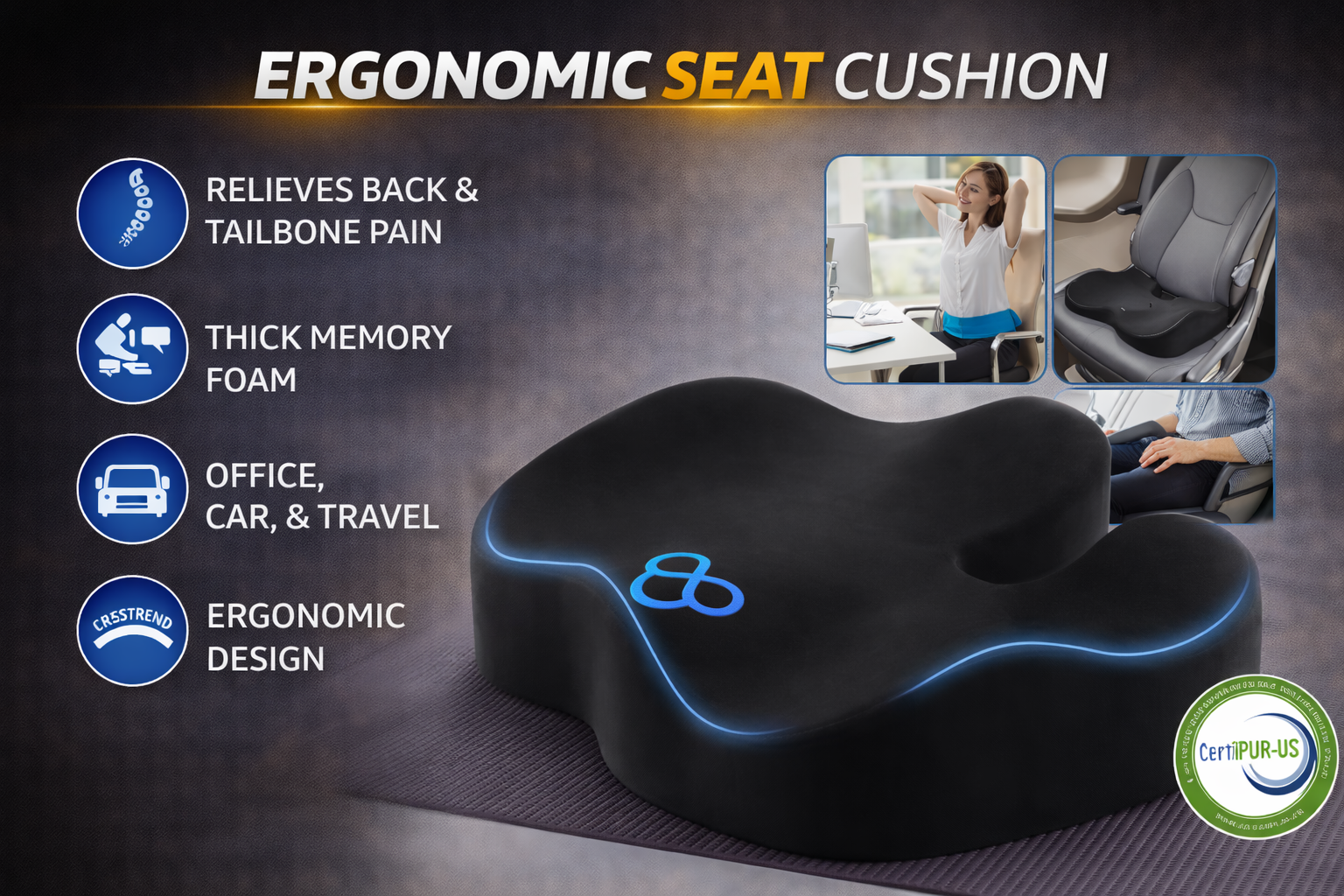
Fixing my sitting setup
Your daily environment matters more than you think.
I made small changes like I explain here:
👉 https://spinerecover.com/the-simple-seat-upgrade-that-fixes-back-pain-while-sitting/
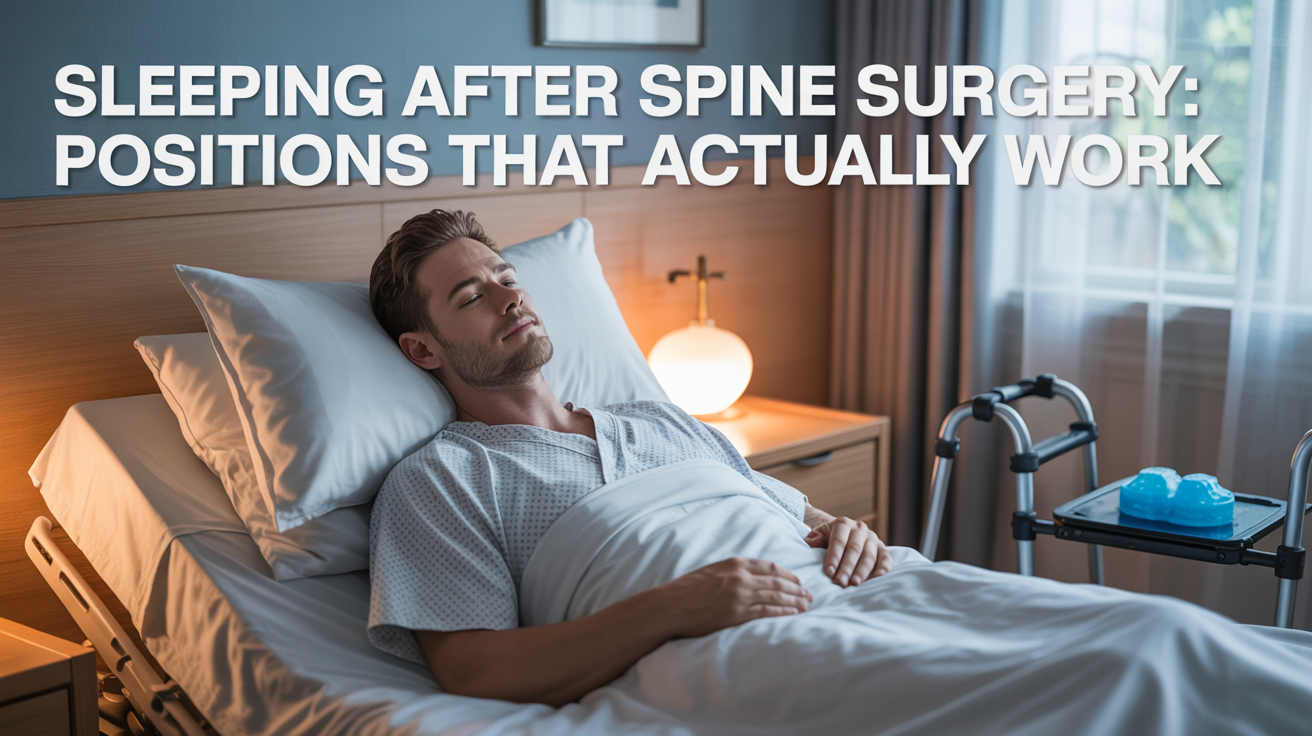
Improving sleep positioning
If you’re in a bad position all night, it keeps everything irritated.
I go deeper into that here:
👉 https://spinerecover.com/sleeping-after-spine-surgery-positions-that-actually-work/
Supporting my neck properly
This made a noticeable difference over time:
👉 https://spinerecover.com/finally-wake-up-without-neck-pain/
What I’d Tell Anyone Dealing With This
If your pain:
- Gets worse when your arm hangs
- Gets better when you lift your shoulder
- Changes instantly with position
That’s not random.
That’s your body showing you exactly what’s wrong.
The Biggest Takeaway
For me, the biggest shift was this:
I stopped asking
“What’s wrong with my shoulder?”
And started asking
“What position is causing this?”
That’s when everything started to make sense.
Author
Dax – Founder of SpineRecover
About the Author
I’ve lived through years of spine and nerve-related pain, including L5-S1 fusion surgery and ongoing issues that didn’t line up with what scans or doctors expected.
Everything I share here is based on real experience, not theory. SpineRecover is where I break down what actually helps in real life so others don’t stay stuck searching for answers like I did.