If carrying a backpack, sprayer, tool bag, or anything with a shoulder strap makes your neck and shoulder pain flare up instantly… there’s a real reason for it.
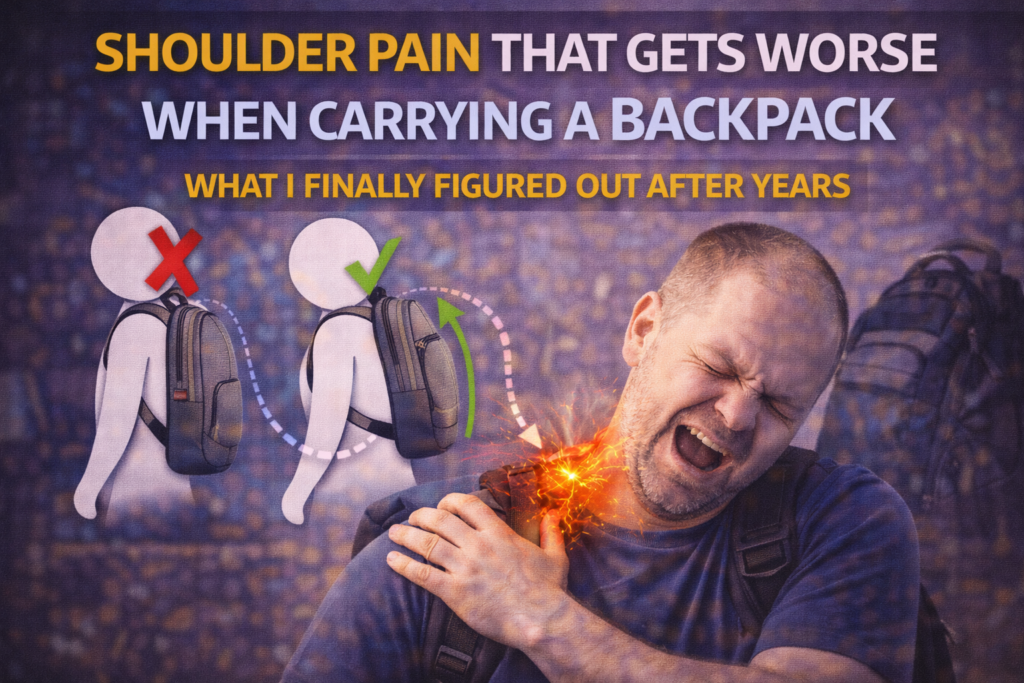
I dealt with this for years and couldn’t figure it out.
It didn’t matter if it was heavy or light. The moment that strap sat on my shoulder, I’d feel pain start building in my neck, then into my shoulder, and sometimes all the way down my arm.
And the weird part?
If I adjusted my shoulder slightly back and up… it would ease. That same positional clue is explored in Why Your Arm Pain Gets Better When You Lift Your Shoulder, which looks at why raising the shoulder can reduce arm pain.
That one detail changed everything.
What Happens the Second You Put Weight on Your Shoulder
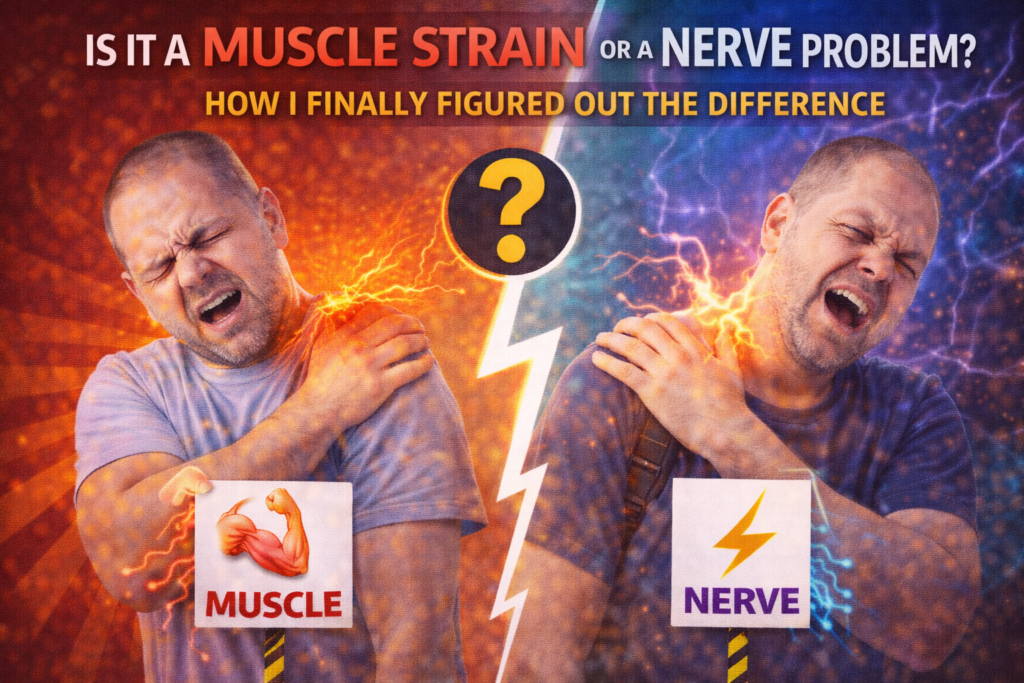
At first, I thought it was just pressure or muscle soreness. Sorting out that distinction is central to Muscle or nerve pain?, which explains the clues that separate muscle soreness from nerve-related symptoms.
But it’s not that simple.
When you carry something with a strap on your shoulder:
- It pulls your shoulder downward
- It compresses the area between your neck and shoulder
- It changes your posture without you realizing it

That combination can irritate the nerves that run from your neck into your arm. A similar position-related pattern can appear when relaxing the arm, as described in Why My Neck and Shoulder Pain Gets Worse When I Relax My Arm.
That’s why the pain doesn’t feel like normal soreness. It feels deeper, sharper, and sometimes travels.

The Pattern I Noticed (And You Might Too)
Over time, I started noticing very specific triggers:
- Pain gets worse the longer weight sits on my shoulder
- Letting my arm hang makes it worse
- Pulling my shoulder back and slightly up helps
- Switching sides or supporting the weight reduces symptoms
That told me this wasn’t random.
It was mechanical.


What This Usually Points To
After dealing with this for so long, this pattern lines up closely with:
Thoracic Outlet Syndrome
This happens when the nerves that travel from your neck into your arm get compressed somewhere between your neck and shoulder.
And here’s the key part:

That compression changes based on position. Position-dependent symptoms are one reason an MRI may not tell the whole story, as explained in Why Your MRI Shows Nothing But You still hurt like hell.
Why a Backpack or Strap Makes It Worse
This is where it really clicked for me.
A shoulder strap does three things at once:
It pulls your shoulder down
That stretches the nerve slightly and reduces space in that area.
It compresses the collarbone area
The strap sits right over a key pathway where nerves pass through.
It forces your body into a bad position
Most people don’t realize this, but when you carry weight on one shoulder:
- Your body leans slightly
- Your shoulder rolls forward
- Your neck compensates
That combination builds pressure fast.


Why This Doesn’t Show Up on Tests
One of the most frustrating parts is that this kind of issue:
- Often doesn’t show clearly on MRI
- Isn’t always obvious during quick exams
- Depends on how your body is positioned
So you can be told everything looks “fine” while still dealing with real pain.
I went through that exact situation.
What I Was Doing That Made It Worse
Looking back, I was unintentionally making it worse every day.
Things like:
- Carrying weight on one shoulder instead of both
- Letting my shoulder completely relax under load
- Ignoring the position that actually relieved the pain
- Sitting with rounded shoulders for long periods
All of that reinforced the problem.
The Shift That Actually Helped
Once I realized this was position-based, I stopped treating it like random pain.
Instead, I focused on small adjustments that made a real difference.
Supporting the weight differently
Instead of letting everything hang off my shoulder, I started:
- Using both straps when possible
- Supporting weight with my hand or waist
- Avoiding one-sided carrying
Even small changes helped reduce flare-ups.
Keeping my shoulder from collapsing forward
I didn’t try to force perfect posture.
I just stayed aware of:
- Not letting my shoulder drop forward and down
- Keeping it slightly back and supported

This ties directly into what I shared here:
fix your posture fast without thinking about it
Improving my daily setup
A lot of this wasn’t just about carrying things.
It was also how I sat, worked, and rested.
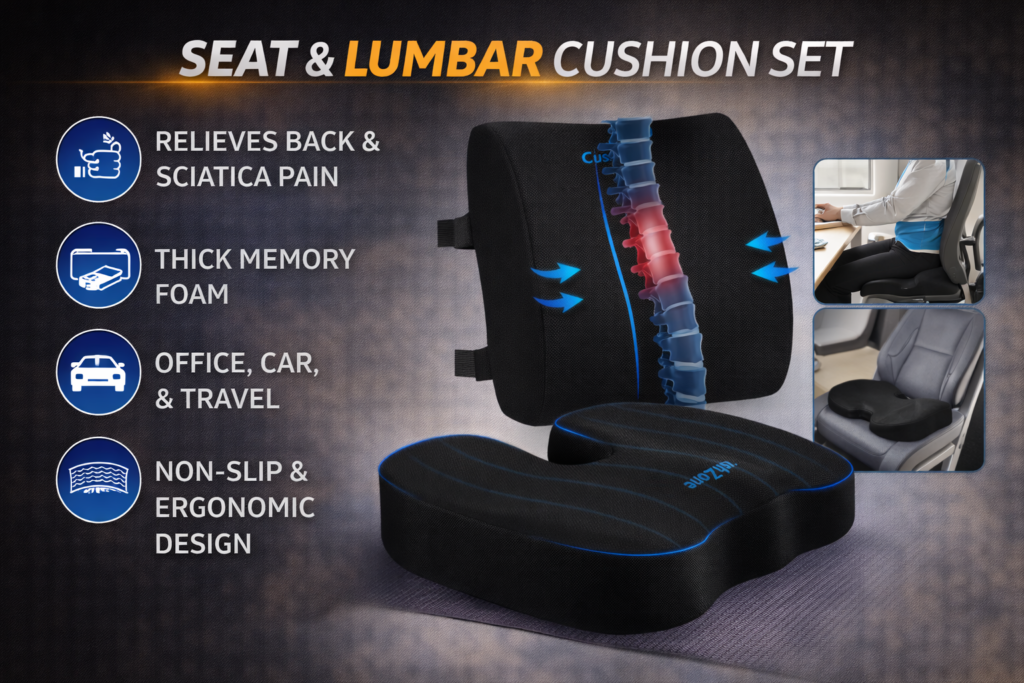
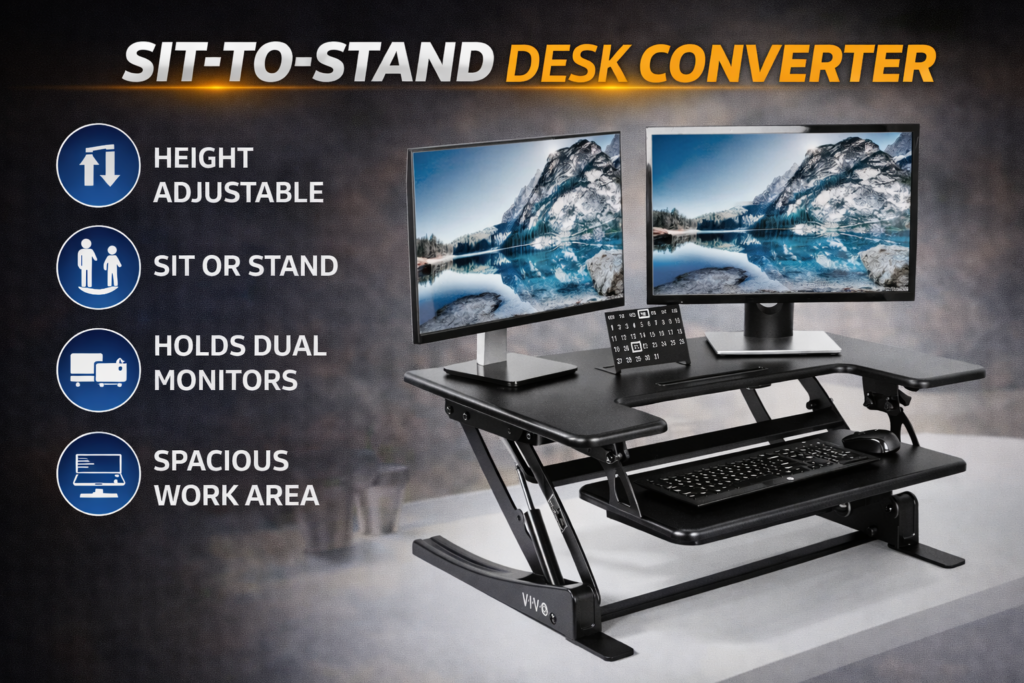
Small upgrades made a bigger difference than I expected, especially what I talked about in
the simple seat upgrade that fixes back pain while sitting
Why Your Pain Might Travel Down Your Arm
This part confused me for a long time.
The pain doesn’t always stay in your shoulder.
It can:
- Move down your arm
- Feel like tingling or burning
- Come and go depending on position
That’s because the nerves being affected run all the way from your neck into your arm.
When they get irritated, the symptoms follow that path.


What Helped Me Outside of Just Position
Position was the biggest factor, but a few other things supported recovery.
Better sleep positioning
If your shoulder collapses forward all night, it keeps the nerve irritated.
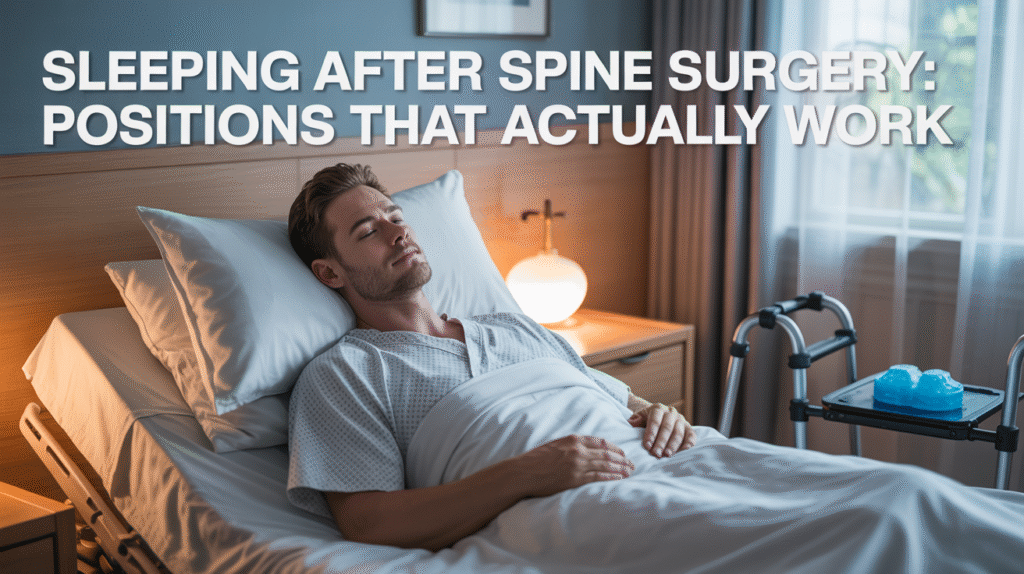
I had to adjust how I slept, which I break down here:
sleeping after spine surgery positions that actually work
Neck support that actually works
A proper pillow setup helped reduce strain overnight.

I go into that more here:
finally wake up without neck pain
Creating a recovery-friendly environment
Your daily environment matters more than people think.
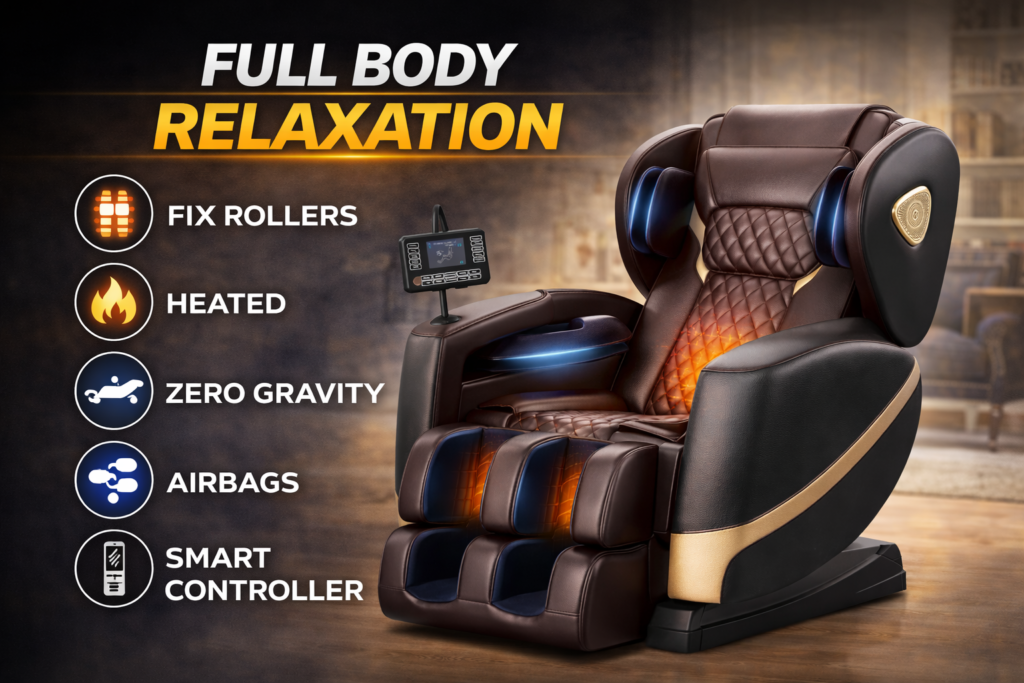
I made small changes around my space that added up over time, like what I shared in
turn your home into a full recovery zone
What Most People Get Wrong About This
A lot of advice out there focuses only on:
- Stretching
- Strengthening
- General posture tips
Those can help, but they don’t fix the root issue if you keep putting your body in the same positions that cause the problem.
For me, the real breakthrough was understanding:
This pain had a pattern.
And once I followed that pattern, things started to make more sense.

If This Sounds Like You
If your pain:
- Gets worse with a backpack or shoulder strap
- Improves when you adjust your shoulder position
- Travels from your neck into your shoulder or arm
Then it’s likely not just muscle soreness.
It’s something that depends on how your body is positioned.
What I’d Focus On First
Start simple:
- Avoid letting weight hang off one shoulder
- Keep your shoulder from collapsing forward
- Pay attention to what positions relieve the pain
- Adjust your daily setup to support your body
Those small changes can go a long way over time.
Author
Dax – Founder of SpineRecover
About the Author
I’ve lived through years of spine and nerve-related pain, including L5-S1 fusion surgery and ongoing recovery challenges that didn’t always follow the “normal” path.
Everything I share here is based on real experience, not theory. SpineRecover is where I break down what actually helps in day-to-day life so others don’t have to figure it out the hard way like I did.